When to go, how many days it takes, and whether you need to book: FAQ for your first Carretera Austral by bike
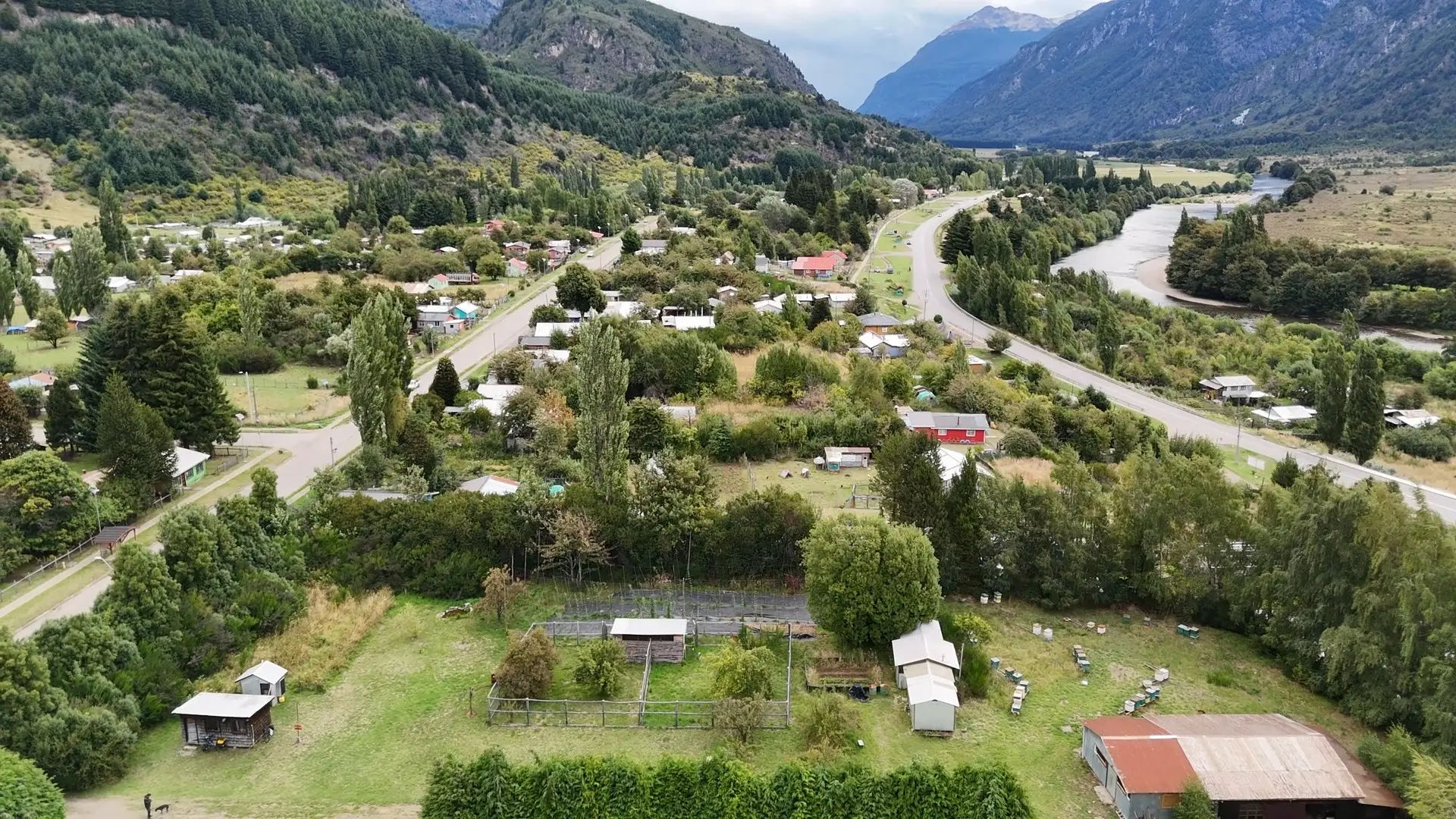
If this is your first time planning this trip, you probably have the same questions almost everyone had before you. Here’s what the most reliable sources say — blogs from cyclists who’ve already ridden it, and the route’s official website.
When’s the best time to go?
The consensus is November through March or April, with January as the warmest, most stable month. Heads up: January and February are also the busiest months for tourism, so lodging and campgrounds fill up faster. The official Carretera Austral site suggests spring or autumn as an alternative, with fewer people in the towns — the scenery doesn’t lose anything on those dates.
A lesser-known fact: December and January are also the windiest months of the year in this area. Worth keeping in mind if wind bothers you more than cold does.
How many days does it take?
The full route (Puerto Montt–Villa O’Higgins, 1,240 km) takes anywhere from 3 to 4 weeks or more, depending on your fitness and pace. The reported average is around 55 km a day, though on gravel stretches with loaded panniers (which can weigh up to 40 kg total) it’s common to drop to 30–60 km a day.
If your trip includes the stretch near Mañihuales: the La Junta–Coyhaique section — which passes right through here — usually takes 4 to 6 days at a comfortable pace.
Is it a hard route?
Technically, no. Several sources agree it’s “very achievable for reasonably fit cyclists” — there are no technical mountain sections. The real challenge is the total distance, the wind, the gravel, and the logistics of food and water between towns, not the difficulty of the pedaling itself. In fact, one outlet specializing in bikepacking describes it as one of the most beginner-friendly long-distance routes in the world.
Do you need to book camping in advance?
In high season (January–February), yes, it’s worth it. Towns in the area are small, with limited beds and camping spots available — booking a few days ahead keeps you from being stuck with nowhere to stay right when you need it most. Outside those dates, there’s more room to improvise as you go.
What about cell signal?
Spotty between towns, and practically nonexistent on several stretches of road. Entel has the best coverage in most towns in the area; Movistar also works better than the rest, though not in every town. The practical advice repeated in every guide: download offline maps before leaving the bigger cities — don’t count on having signal halfway through.